


Septic to Sewer in Miami-Dade: What Homeowners Need to Know
Connection deadlines, septic tank abandonment rules and what to do before sewer reaches your street.
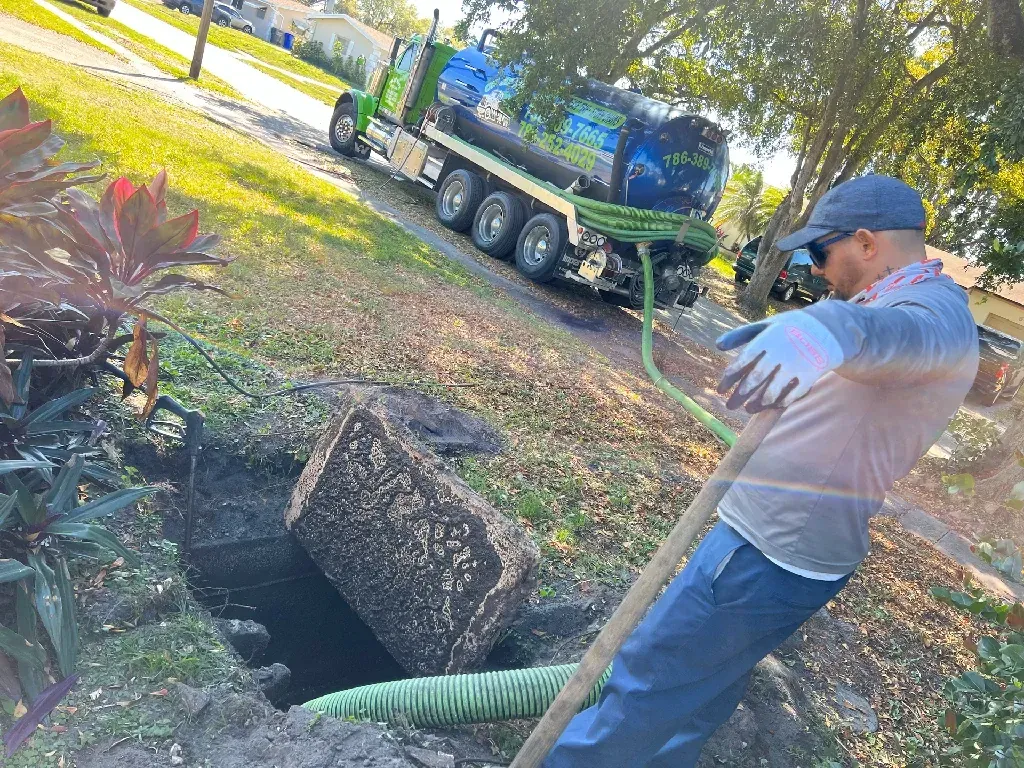
Miami-Dade is moving more homes and businesses from septic tanks to county sewer. About 120,000 properties in the county still use a septic system, and the county's Connect 2 Protect program is bringing sewer lines to more neighborhoods every year.
If you get a notice that sewer is available on your street, you have decisions to make and deadlines to meet. Here is what Miami-Dade homeowners need to know.
Why Miami-Dade Is Replacing Septic Tanks
South Florida's water table sits close to the surface. As groundwater rises, many septic drainfields no longer have enough dry soil to treat wastewater. That puts nutrients into canals and Biscayne Bay and can make older systems back up after heavy rain.
To reduce that risk, the county launched Connect 2 Protect in 2022. It also approved a $19 million program to install 600 sewer laterals for properties that already have a sewer main nearby, plus a separate bond program to convert more than 1,000 commercial properties along key corridors.
Your Deadlines Under Florida Law
- 365 days to connect: once you receive written notice that sewer is available, Florida law generally gives you one year to connect if your septic system is working properly.
- 90 days if your system is failing: if your system needs repair, the deadline drops to 90 days after notice.
- 90 days to abandon the tank: after you connect, the old septic tank must be properly abandoned within 90 days and can no longer be used for anything.
How a Septic Tank Is Abandoned
- Permit: an abandonment permit is required, unless your local utility runs its own abandonment program.
- Pump-out: a permitted septage company pumps the tank and gives you a receipt.
- Break the tank: the bottom is opened or the tank is collapsed so it can't hold water.
- Fill and cover: the tank is filled with clean sand or similar material and covered with soil.
- Inspection: the abandonment is inspected before it is closed out.
Skipping these steps can leave a sinkhole risk in your yard and problems when you sell the home.
What to Do Before You Connect
- Keep pumping on schedule. Until the day you connect, your septic system still has to work. A full tank can back up into the house. See our guide on 5 signs your septic tank is full.
- Find your tank and lines. Knowing where the tank and pipes are saves time for your plumber. A sewer camera inspection can map the line from your house.
- Get quotes early. Plumbers and permits get busy when a whole neighborhood connects at once.
- Ask the county first. Check with Miami-Dade Water and Sewer about your notice, fees and any assistance that may apply before you sign anything.
Not on the Sewer List Yet?
Most Miami-Dade homes will stay on septic for years. Regular pumping every 3 to 5 years, keeping heavy vehicles off the drainfield and watching for warning signs after storms are still the best way to protect your system. Read what heavy rain does to your septic tank.
When to Call On My Way Septic
Call us if your tank is due for pumping, your drains are slowing down or you need the pump-out step for an abandonment. We serve Miami-Dade and Broward 24/7, in English and Spanish. Call 786-252-4029.
Frequently Asked Questions
Do I have to connect to sewer if my septic system works fine?
In most cases, yes. Florida law generally requires connection within 365 days after you are notified that sewer is available.
Can I keep using my old septic tank for irrigation?
No. After you connect, the tank must be abandoned within 90 days and can't be used for any purpose.
Should I still pump my tank if sewer is coming?
Yes. A full tank can back up into your home before the connection is done, and the tank must be pumped as part of the abandonment.
Sources: Miami-Dade Water and Sewer Department, Florida Statute 381.00655 and Florida Administrative Code 62-6.011. Rules and programs can change; confirm details with the county before starting work.

