


Septic Tank After Heavy Rain: A South Florida Homeowner Guide
Saturated ground and high water tables can push your septic system to its limit. Here is what to watch for and what to do.
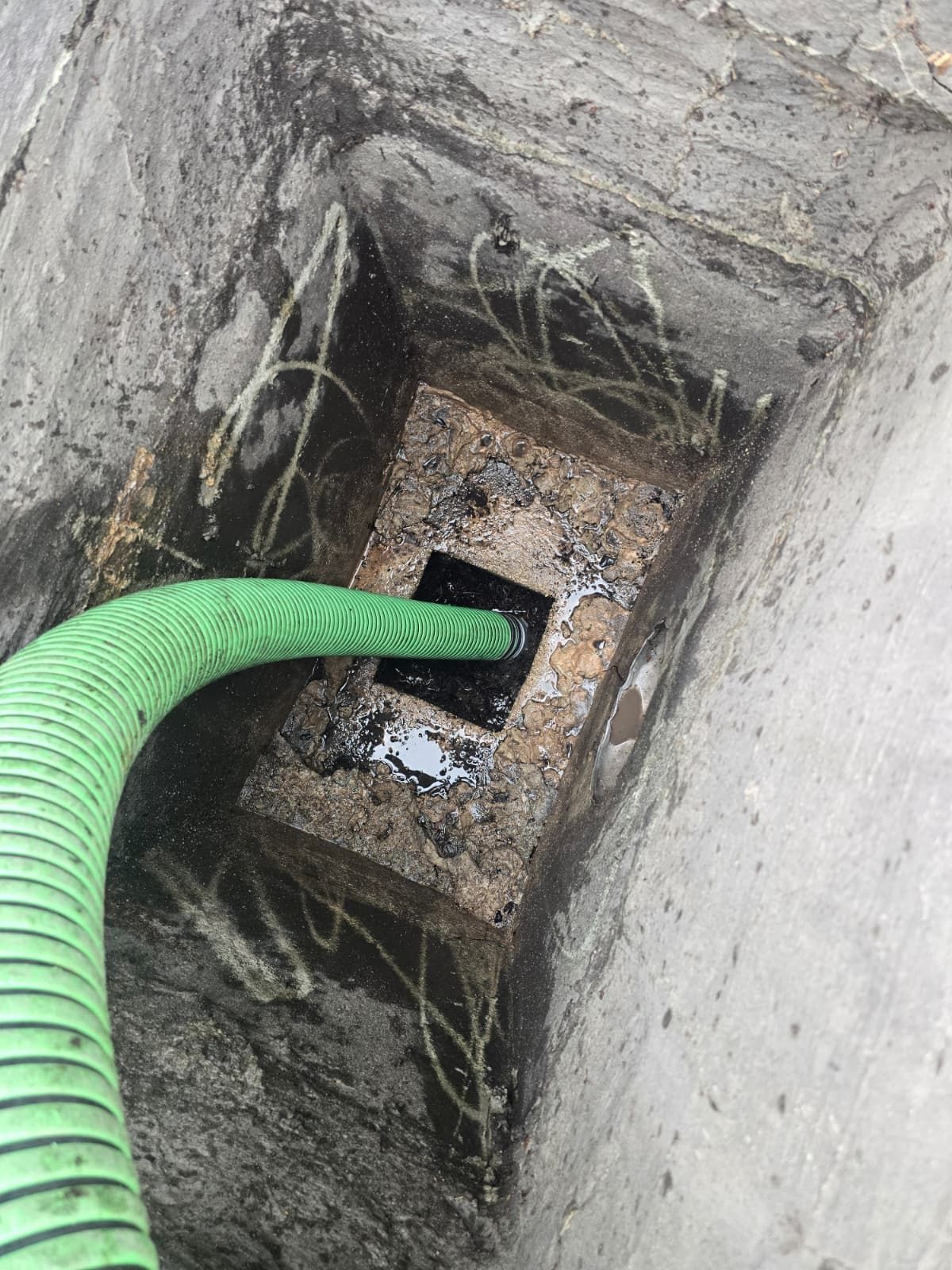
South Florida's rainy season brings afternoon downpours, tropical storms and, some years, hurricanes. In much of Miami-Dade and Broward, the water table sits only a few feet below the surface. When the ground is soaked, the water leaving your septic tank has nowhere to go. That's when homeowners see slow drains, odors and backups.
Here's how heavy rain affects your septic system and the steps to protect your home.
How Heavy Rain Affects Your Septic System
Your septic system has two parts: the tank, which separates solids, and the drainfield, which lets treated water soak into the soil. The drainfield only works if the soil can absorb water.
After days of rain, the soil is already full. Wastewater backs up into the tank, and the tank backs up into the house. In flooded yards, rainwater can also enter the tank through a cracked or loose lid, filling it faster than normal.
Warning Signs After a Storm
- Toilets that flush slowly or gurgle
- Sinks, tubs and showers draining slower than usual
- Sewage odors inside the house or in the yard
- Standing water or soggy ground over the tank or drainfield
- Sewage backing up into the lowest drains
These signs overlap with a full tank. See our guide on 5 signs your septic tank is full.
What to Do During and After Heavy Rain
- Use less water. Space out laundry, skip the dishwasher and take shorter showers until the ground dries.
- Keep rainwater away from the system. Point gutters and downspouts away from the tank and drainfield.
- Don't drive or park over the drainfield. Wet soil compacts easily, and compacted soil drains poorly for years.
- Don't open the tank yourself. Gases and unstable ground around a flooded tank are dangerous.
- Wait for the water table to drop before pumping. Pumping a tank in fully saturated ground can let groundwater push on the empty tank. A professional will tell you when it's safe.
- Call for an inspection if problems last more than a few days after the rain stops.
What Not to Do
- Don't use chemical drain cleaners; they can harm the bacteria your tank needs.
- Don't flush wipes, grease or paper towels, which add solids when the system is already stressed.
- Don't ignore a backup. Sewage inside the home is a health risk and needs prompt cleanup.
When to Call a Professional
Call On My Way Septic if sewage backs up into your home, odors don't go away, or your drains are still slow once the yard has dried. We can pump the tank, check the lid and baffles, and run a camera inspection to see whether the lines or drainfield were damaged. If water is entering through the lid, a sealed lid and riser can help keep stormwater out in the future.
For flooded properties, our flood emergency service offers fast pump-outs, 24/7.
Frequently Asked Questions
Should I pump my septic tank after a flood?
Not while the ground is still flooded. Wait until the water table drops, then have the tank pumped and inspected.
Why does my toilet gurgle when it rains?
Saturated soil keeps the drainfield from absorbing water, so air and water back up through the pipes.
Can heavy rain damage my drainfield?
Yes. Flooding can carry silt into the drainfield, and driving on wet soil can compact it.
How long until my septic system works normally after rain?
Usually a few days after the ground dries. If problems continue, call for an inspection.
Do you offer emergency service in Broward?
Yes. We serve Miami-Dade and Broward 24/7, including Miami, Hialeah, North Miami and Hollywood.
Get Help After the Storm
If rain has left your drains slow or your yard smelling like sewage, don't wait for it to get worse. Contact On My Way Septic or call 786-252-4029 for 24/7 service across South Florida.

