


How Often Should a Miami Restaurant Clean Its Grease Trap?
Most restaurant grease traps need cleaning every 1 to 3 months. Here is what changes that schedule and the signs your trap needs service now.
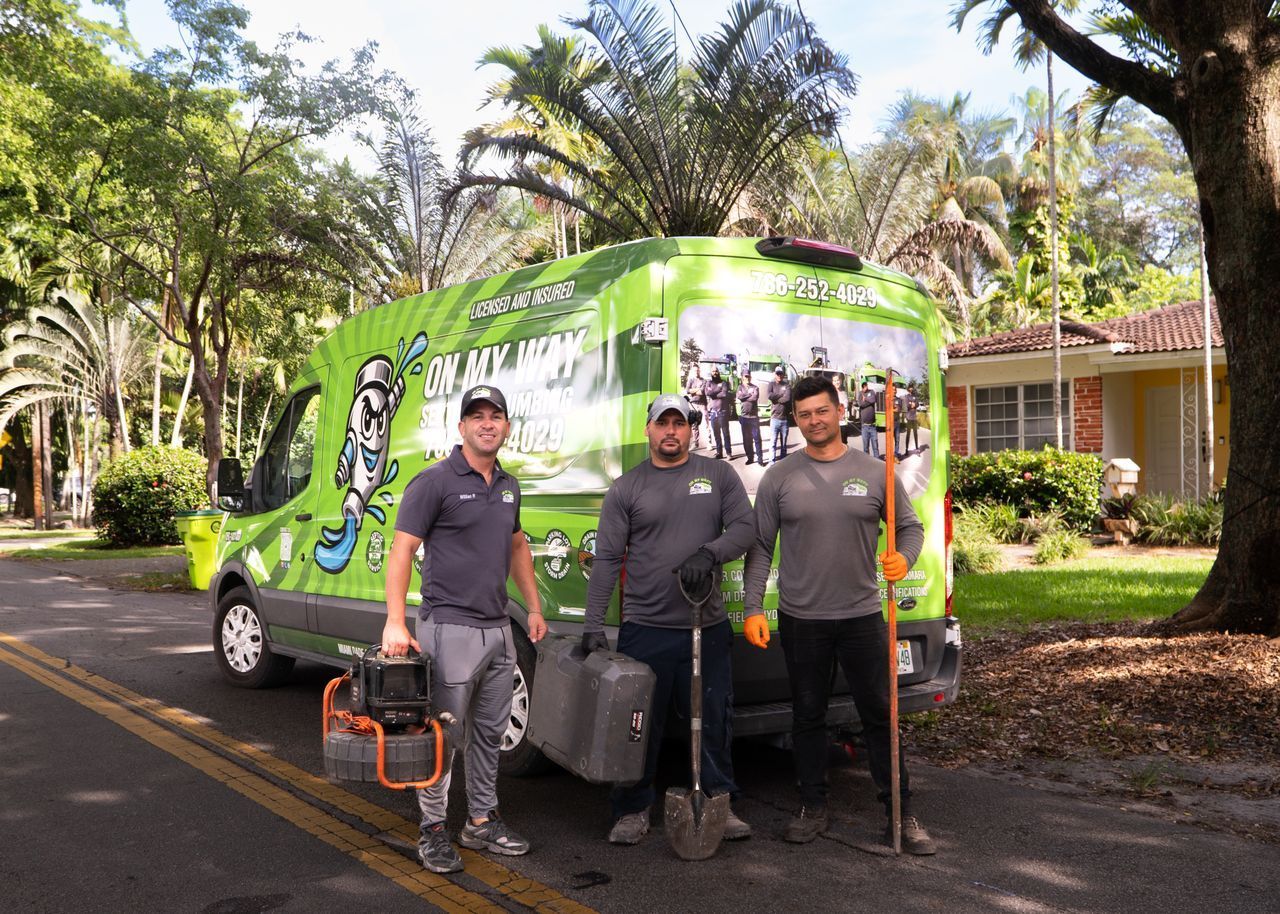
For a busy Miami restaurant, the grease trap is easy to forget until something goes wrong. A full trap can cause slow drains, bad smells in the kitchen, sewage backups and problems during an inspection. The good news: with the right cleaning schedule, all of that is easy to prevent.
Here's how often a restaurant grease trap should be cleaned, what changes that schedule and the signs your trap can't wait.
The Short Answer: Every 1 to 3 Months
Most restaurant grease traps need cleaning every 1 to 3 months. The right frequency depends on how much grease your kitchen produces and how big your trap is. High-volume kitchens may need service more often.
A common rule of thumb is the 25% rule: the trap should be pumped before grease and solids fill about a quarter of its capacity. Past that point, grease starts to escape into the sewer line, where it hardens and causes clogs.
What Changes Your Cleaning Schedule
- Type of food: fried food, grilled meats, sauces and baked goods produce more grease.
- Kitchen volume: more meals per day means more fats, oils and grease (FOG) going down the drain.
- Trap size: small under-sink traps fill much faster than large in-ground interceptors.
- Kitchen habits: scraping plates into the trash and using sink strainers keeps more grease out of the trap.
- Local requirements: your FOG permit or local rules may set a minimum service schedule.
Signs Your Grease Trap Needs Cleaning Now
- Sinks and floor drains are draining slowly
- Strong, rotten smells in the kitchen or near the trap
- Water or grease backing up into sinks or floor drains
- Grease visible around the trap lid or outlet
- It has been more than 3 months since the last pump-out
What Happens During a Professional Cleaning
- Inspection: we check the grease and solids level and the condition of the trap.
- Full pump-out: our vacuum trucks remove grease, solids and wastewater, not just the top layer.
- Scraping and cleaning: we clean the walls, baffles and inlet and outlet pipes.
- Service report: you get documentation for your records and inspections, including FOG/DERM service reports when needed.
Tips to Keep Your Trap Working Between Cleanings
- Scrape plates and pans into the trash before washing.
- Never pour cooking oil or grease down the drain.
- Use sink strainers to catch food solids.
- Train your staff on what can and can't go down the drain.
- Keep a cleaning log with dates and service reports.
Grease Trap Cleaning for Miami Restaurants
On My Way Septic cleans grease traps for restaurants and commercial kitchens across Miami-Dade and Broward. We are licensed and insured, our team speaks English and Spanish, and we offer 24/7 emergency service. Learn more about our grease trap services, including grease trap cleaning in Miami and grease trap cleaning in Hialeah. Call 786-252-4029 to set up a regular service schedule.
Frequently Asked Questions
How often should a restaurant grease trap be cleaned?
Most restaurants need service every 1 to 3 months, depending on kitchen volume, type of food and trap size.
What is the 25% rule for grease traps?
It's a common guideline that says a trap should be pumped before grease and solids fill about 25% of its capacity.
Can a full grease trap cause a sewage backup?
Yes. When a trap is too full, grease moves into the drain lines, hardens and can block them, causing backups in the kitchen.
Do you provide service reports?
Yes. We provide documentation after each service, including FOG/DERM service reports when needed.

